
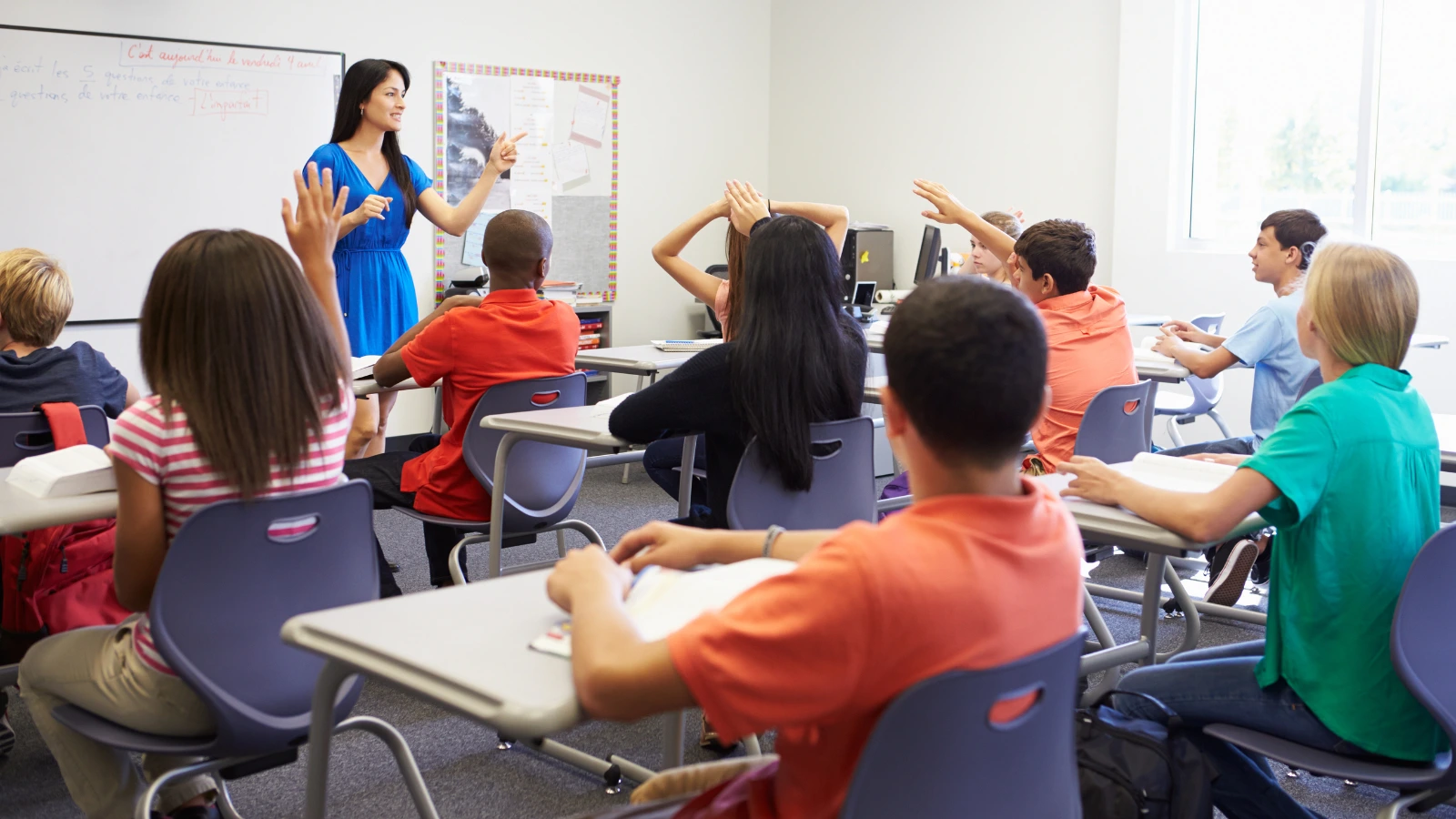

The global educational landscape is currently shifting at an unprecedented pace. The days when a degree served as a lifelong guarantee of professional stability are largely behind us. In an era defined by rapid technological advancements, evolving workforce requirements, and the constant emergence of new information, the ability to change—often referred to as adaptability—has become the single most valuable asset a student can possess. Modern education is no longer just about the acquisition of a fixed body of knowledge; it is about cultivating the agility to navigate an unpredictable future.
The Obsolescence of Static Learning Models
For decades, the standard educational model functioned on a premise of stability. Students entered school to learn a specific curriculum, which was then applied to a professional career that remained largely unchanged for several decades. Today, that model is fundamentally mismatched with reality. Industries are being transformed by artificial intelligence, data analytics, and global connectivity, often rendering skills obsolete within a few years of graduation.
An education system that focuses solely on rote memorization or static methodologies fails to prepare students for this reality. When education is framed as a fixed destination, students often struggle when the terrain shifts. Conversely, an adaptable approach treats education as a lifelong process. It encourages students to prioritize the learning process itself over the content, ensuring they have the tools to re-skill, up-skill, and pivot whenever their professional or personal environment demands a new direction.
Cultivating Cognitive Flexibility
At the heart of adaptability lies cognitive flexibility. This is the mental ability to switch between thinking about two different concepts or to think about multiple concepts simultaneously. In a modern classroom, this manifests as the capacity to approach a problem from different perspectives, consider alternative solutions, and change strategies when a particular path proves ineffective.
Teachers who prioritize adaptability in their pedagogical approach move away from the binary of right or wrong answers. Instead, they encourage students to analyze the variables of a problem and adapt their thinking based on new data. This practice does more than build academic proficiency; it fosters the psychological resilience needed to remain calm and productive in the face of ambiguity. Students who can think flexibly are not threatened by change; they are empowered by it, viewing it as an opportunity to refine their methods and improve their results.
Integrating Technology as a Catalyst for Agility
Technology has often been criticized for contributing to the rapid pace of modern life, but within an educational context, it is a crucial tool for fostering adaptability. Access to information is now instantaneous, and the ability to synthesize this vast sea of data is a core competency. Adaptable students leverage digital tools to stay informed about industry trends, learn new software on the fly, and collaborate with peers across the globe.
-
Self-Directed Learning Platforms: Online resources allow students to explore topics outside the traditional curriculum, enabling them to follow their interests and build a unique, multifaceted skill set.
-
Collaborative Digital Workspaces: Using tools that allow for real-time iteration and remote cooperation prepares students for the realities of a modern, often decentralized, global workforce.
-
Simulation and Modeling: Modern simulations allow students to test theories in risk-free virtual environments, encouraging them to iterate and adapt their strategies based on outcomes.
By integrating these technologies, schools create an environment where the process of adapting to new systems becomes second nature to the student.
The Human Element of Adaptive Leadership
While technology and cognitive agility are vital, the emotional and social dimensions of adaptability are equally critical. As the world becomes more interconnected, the ability to work with diverse groups and adjust to different social norms is essential. Adaptability in this context means being culturally competent, empathetic, and open to feedback.
Students who develop strong communication and emotional intelligence are better equipped to navigate the complexities of team-based work. They learn to listen to diverse perspectives, mediate conflicts, and adjust their communication style to suit their audience. This human-centric approach to education ensures that as systems change, students remain grounded in the interpersonal skills that machines cannot replicate. The ability to empathize and lead within a changing group dynamic is an irreplaceable trait in any sector of the modern economy.
Preparing for the Unknown Through Failure
One of the most profound ways that adaptability is built is through the management of failure. In a rigid system, failure is often treated as a final judgment. In an adaptive system, failure is treated as critical data. When a student approaches a project with the mindset that they will likely need to iterate on their original idea, they are training for a professional life where projects are rarely perfect on the first attempt.
Educators who create a culture where testing, failing, and iterating are the norm help students strip away the fear of the unknown. This creates a bold generation of learners who are not afraid to pursue innovative solutions. They understand that if their first attempt fails, it simply means they have gained information that will help them succeed on the second or third try. This resilience is the bedrock of adaptability; it is what allows individuals to persist when others might give up.
Embracing Lifelong Learning as the New Norm
The ultimate goal of an adaptive education is the cultivation of a lifelong learner. When education is successful, the student leaves the institution with a hunger for knowledge that extends far beyond their diploma. They recognize that their education has provided them with the foundational frameworks, but the responsibility to remain relevant lies with them.
This perspective shifts the focus from graduating to growing. An adaptable student sees their career not as a ladder they climb but as a journey they navigate. They are constantly looking for the next area of development, the next skill to acquire, and the next way to add value. By fostering this intrinsic motivation, modern institutions ensure that their students remain competitive and fulfilled regardless of how much the world changes. This is the true success of a modern, adaptive educational philosophy.
Frequently Asked Questions
How does an adaptable curriculum avoid losing focus on core academic fundamentals?
An adaptable curriculum uses fundamentals as the base rather than the limit. By mastering the core concepts of math, science, and the humanities, students build a mental scaffolding that allows them to process and apply new information quickly. The flexibility lies in how these fundamentals are applied to solve modern, changing problems.
Is it possible for teachers to foster adaptability in large, crowded classroom environments?
Yes, by shifting the classroom structure. Teachers can implement group-based inquiries, peer-led workshops, and modular assignments that require students to manage their own time and problem-solving processes. Even in larger classes, creating small, autonomous pods allows for the personalized, adaptive interaction necessary to build these habits.
What is the role of parents in supporting an adaptable learning mindset?
Parents support adaptability by encouraging curiosity and rewarding the process of learning rather than just grades. When parents model how they handle challenges or pivot in their own professional lives, they provide a blueprint for their children to view change as a manageable and even exciting part of life.
Do standardized tests hinder the development of adaptability in schools?
Standardized tests often prioritize predictable outcomes, which can conflict with the open-ended nature of adaptive learning. However, schools can supplement these requirements with project-based assessments and portfolios that demonstrate a student’s ability to tackle novel problems and iterate on their work, providing a more balanced view of their true capabilities.
How do students know which skills are worth adapting to in a fast-moving job market?
This requires developing the ability to analyze meta-trends. Educators help students learn how to look for patterns in the economy and technology. By focusing on transferable skills—such as critical analysis, effective communication, and emotional intelligence—students ensure that their adaptability remains focused on high-value, durable competencies.
Can emotional intelligence be taught as a core part of an adaptive curriculum?
Absolutely. It is taught through reflective practice, conflict resolution exercises, and collaborative projects that require social awareness. By making interpersonal interaction a formal part of the academic experience, institutions ensure that students are as skilled in navigating human dynamics as they are in navigating technological or academic ones.
What is the biggest risk of failing to develop adaptability in students?
The primary risk is the inability to navigate career and life transitions. Individuals who rely on a narrow, rigid skill set are highly vulnerable to economic disruptions. Without the ability to adapt, these individuals often struggle to find new footing, leading to increased professional dissatisfaction and a decreased capacity to contribute to their communities.
Comments are closed.