
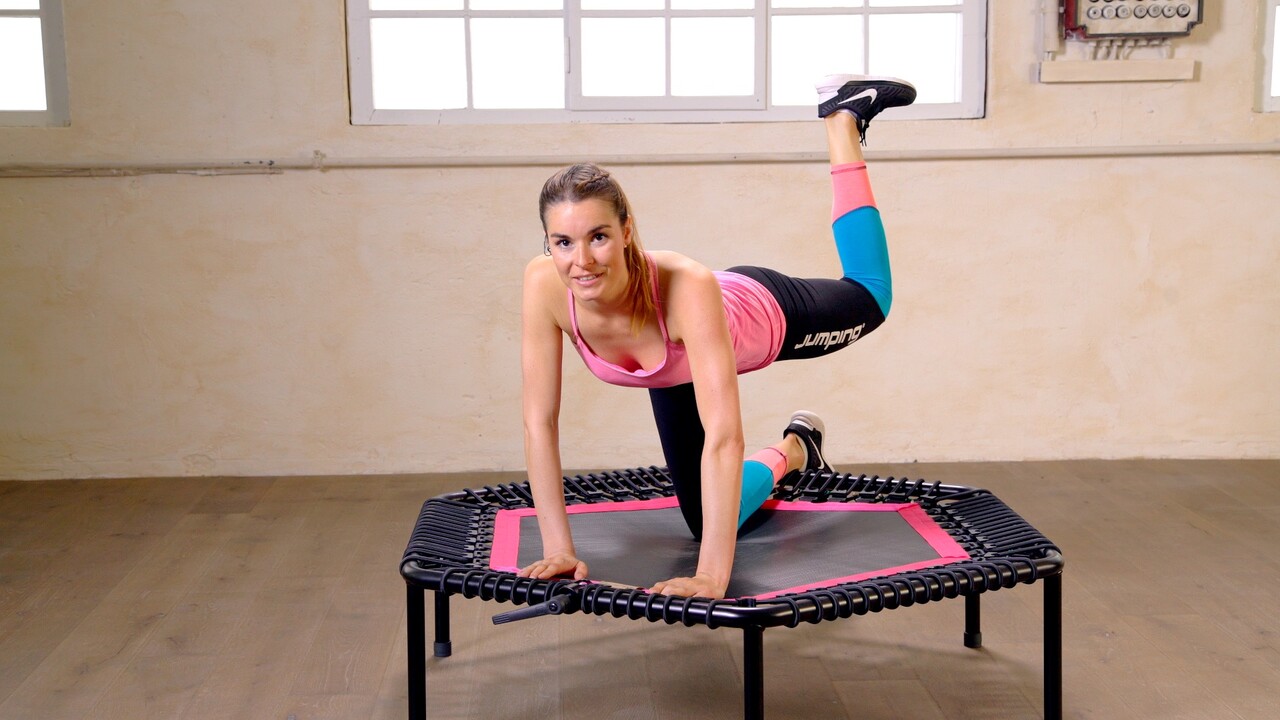

Fitness technology has changed how people understand exercise. Instead of guessing how hard they worked, many now track heart rate, calories, active minutes, recovery, and workout consistency. For anyone attending a trampoline class singapore session, a fitness tracker can add useful insight into how the body responds to this energetic style of movement.
Trampoline workouts feel fun, but they can also be physically demanding. Tracking helps participants see that effort in a more measurable way.
Why Measurement Matters in Fitness
People often rely on feelings to judge workouts. While body awareness is important, feelings can be misleading. A workout may feel easy because it is enjoyable, but heart rate data may show that the body worked hard. Another session may feel exhausting because of poor sleep, not because the workout was more intense.
Fitness trackers give extra context. They help people understand effort, recovery, and patterns over time.
This can make workouts more purposeful without removing the fun.
What to Track During a Trampoline Class
Not every metric matters equally. For trampoline fitness, the most useful numbers are usually heart rate, active minutes, calories, and recovery trends.
Heart rate shows how hard the cardiovascular system is working. Active minutes show how much of the session was spent in meaningful movement. Calorie estimates can give a rough idea of energy use, though they should not be treated as exact. Recovery data can show whether the body is ready for another intense session.
The goal is not to obsess over numbers. The goal is to use data to train smarter.
Heart Rate Can Show Workout Intensity
A trampoline class may include sections that feel light, moderate, and intense. Heart rate tracking helps participants understand these changes.
During faster bounce sequences, heart rate may rise quickly. During slower rhythm or control sections, it may settle. This gives a clearer picture of how the class challenges the body.
For people who want better stamina, heart rate trends can be motivating. Over time, they may notice that the same class feels easier or that recovery between intense sections improves.
Calories Are Useful, But Not Perfect
Many people like tracking calories during workouts. This can be encouraging, but it is important to understand that wearable calorie counts are estimates. They depend on age, weight, heart rate, movement detection, and device algorithms.
Instead of treating calorie numbers as exact, use them as general guidance. If one trampoline class consistently shows higher effort than a casual walk, that still provides useful information.
The better focus is consistency. A regular class routine matters more than one calorie number.
Tracking Coordination and Movement Is Harder
Fitness trackers are good at measuring heart rate and movement volume, but they do not always capture coordination, balance, or core control. These are important parts of trampoline fitness.
A person may improve balance, posture, rhythm, and movement confidence even if the tracker does not show a dramatic change. This is why data should support fitness awareness, not replace it.
Numbers are helpful, but they are not the whole story.
Using Data Without Losing Enjoyment
One risk of fitness technology is that people become too focused on metrics. If every workout becomes a score, exercise can start to feel stressful. Trampoline classes are enjoyable partly because they bring energy and playfulness into fitness.
A better approach is to check data after class, not constantly during the workout. During the session, focus on movement, rhythm, breathing, and control. Afterward, review the numbers to learn from the experience.
This keeps the workout enjoyable while still making progress measurable.
How Trackers Help With Consistency
The most valuable feature of a fitness tracker may be habit tracking. It shows how often someone moves, how many active minutes they complete, and whether they are building a pattern.
For trampoline fitness, this can help participants stay accountable. They can see how regularly they attend class and how it fits into their weekly activity.
Consistency is where results come from. Technology can support that by making progress visible.
Pairing Trampoline Classes With Other Workouts
A fitness tracker can also show how trampoline workouts fit with other activities. For example, someone may notice that trampoline class gives strong cardio effort, while strength training supports muscle development. Walking may support recovery. Stretching may improve mobility.
This helps create a balanced weekly routine. Instead of guessing, participants can look at activity trends and adjust.
A good plan might include trampoline fitness for cardio and coordination, strength work for muscle, and lighter movement for recovery.
Recovery Data Can Prevent Overtraining
Some trackers provide sleep scores, resting heart rate, or recovery indicators. While these are not medical tools, they can help people notice when the body may need rest.
If someone has poor sleep, high stress, or unusual fatigue, they may choose a lighter session or focus on controlled movement instead of maximum intensity.
This is especially useful for people who train often. Progress is not only about pushing harder. It is also about recovering well.
Smarter Fitness With Simple Tools
Fitness trackers can make a trampoline class more measurable by showing heart rate, activity patterns, and recovery trends. They can help participants understand effort, stay consistent, and build a better weekly routine. At the same time, the best results come when data is balanced with enjoyment and body awareness.
For people who want energetic classes, gym facilities, and a structured place to keep improving, TFX Singapore can support a fitness routine where smart tracking and enjoyable movement work together.
Comments are closed.