
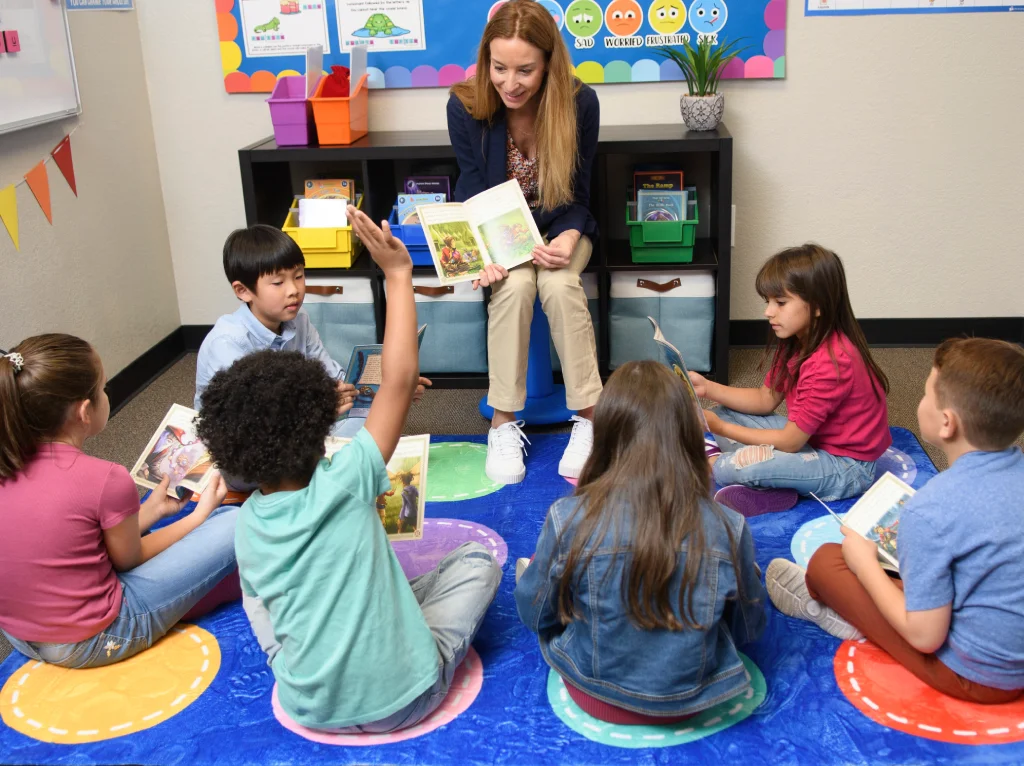

Learning to read and write starts long before a child can read a full book alone. It begins with sounds, letters, listening, speaking, and simple word play. This is where phonics becomes important.
Phonics helps children understand how letters and sounds work together. It teaches them that words are not just shapes on a page. Words are made of sounds, and those sounds can be blended, read, written, and spelled.
For young learners, this gives reading and writing a clear starting point. Instead of guessing words, children learn how to break them down. This helps them feel more confident when they meet new words in books, worksheets, or everyday life.
What Is Phonics?
Phonics is a way of teaching children the link between letters and sounds. For example, children learn that the letter “m” makes the /m/ sound. They also learn how sounds join together to form words, such as “mat,” “sun,” or “shop.”
This may sound simple, but it is a key early skill. When children understand these links, they can start reading words with more control. They can also spell words by listening carefully to each sound.
Good phonics teaching is not about memorising long word lists. It is about helping children hear, see, and use sounds in a clear way. This builds the early reading skills they need for school and daily learning.
Why Phonics Matters In Early Reading
Reading can feel hard when children do not know how words work. They may look at a word and try to guess it from the picture or the first letter. While guessing can sometimes help, it is not enough.
With phonics, children learn how to decode words. Decoding means looking at the letters, saying the sounds, and blending them together. This helps children read words more accurately.
For example, a child who knows the sounds /c/, /a/, and /t/ can blend them to read “cat.” Later, the same child can use this skill to read longer words. This gives them a method they can use again and again.
Strong decoding skills also support reading fluency. When children can read words with less effort, they can focus more on the meaning of the story. They can enjoy the text instead of feeling stuck on every word.
How Phonics Supports Writing And Spelling
Reading and writing are closely linked. When children learn the sounds in words, they also begin to understand how to spell them.
For example, a child writing the word “dog” can listen for each sound: /d/, /o/, and /g/. Then they can match those sounds to letters. This helps them write words with more confidence, even when the spelling is not perfect yet.
Phonics also helps children notice word patterns. They may see that “cat,” “hat,” and “mat” all have the same ending sound. Over time, this helps them spell new words and build stronger word awareness.
Writing can feel less scary when children know how to sound out words. They are more willing to try. They can write simple sentences, label pictures, and express their ideas without waiting for every word to be spelled for them.
Key Skills Children Build Through Phonics
A strong phonics foundation supports many early language skills. These skills help children as they move from simple sounds to full reading and writing tasks.
Children can build:
- Letter-sound knowledge, which helps them connect letters with spoken sounds
- Blending skills, which help them read words by joining sounds together
- Segmenting skills, which help them spell words by breaking them into sounds
- Listening skills, which help them hear sound changes in words
- Vocabulary growth, as they meet and practise new words
- Reading confidence, as they learn how to approach unfamiliar words
These skills do not grow overnight. They need time, practice, and patient support. Children also learn best when the lessons feel fun and safe.
Why Fun And Structure Both Matter
Young children often learn best through play. Songs, stories, puppets, puzzles, and games can make sound work more engaging. These activities help children practise without feeling pressured.
At the same time, phonics works best when it follows a clear order. Children need to start with simple sounds before moving to blends, digraphs, and longer words. A step-by-step approach helps them build skills without feeling lost.
This mix of fun and structure is important. If lessons are only fun but not planned well, children may miss key skills. If lessons are too rigid, children may lose interest. The best approach gives children both clear guidance and enjoyable practice.
How Parents Can Support Phonics At Home
Parents do not need to turn home into a classroom. Small, simple habits can support learning in a natural way.
Parents can:
- Read short books together every day
- Ask children to listen for the first sound in simple words
- Play rhyming games during car rides or walks
- Let children spot letters on signs, labels, and menus
- Praise effort, not just correct answers
The goal is not to rush children. It is to help them enjoy sounds, words, and stories. When children feel supported, they are more likely to keep trying.
Building Confidence Beyond The Page
Phonics is not only about reading words correctly. It also helps children feel more confident using English. As they learn to read, spell, and write, they also become more ready to speak, share ideas, and join classroom tasks.
This confidence can affect many areas of learning. A child who can read instructions may feel more prepared in class. A child who can write simple words may feel proud of their work. A child who understands sound patterns may enjoy books more.
Programmes such as Lorna Whiston’s Fun with Phonics support this kind of early growth through structured levels and interactive activities that help young learners build reading, writing, spelling, and communication skills.
Conclusion
Phonics gives children a strong start in reading and writing. It helps them understand how sounds and letters connect, how words are built, and how to approach new words with confidence.
When taught in a clear and engaging way, phonics can make early literacy feel less confusing and more enjoyable. It gives children useful tools they can carry into school, reading time, writing tasks, and daily communication.
A strong foundation does more than help children read today. It helps them grow into more confident learners for the years ahead.
Comments are closed.