
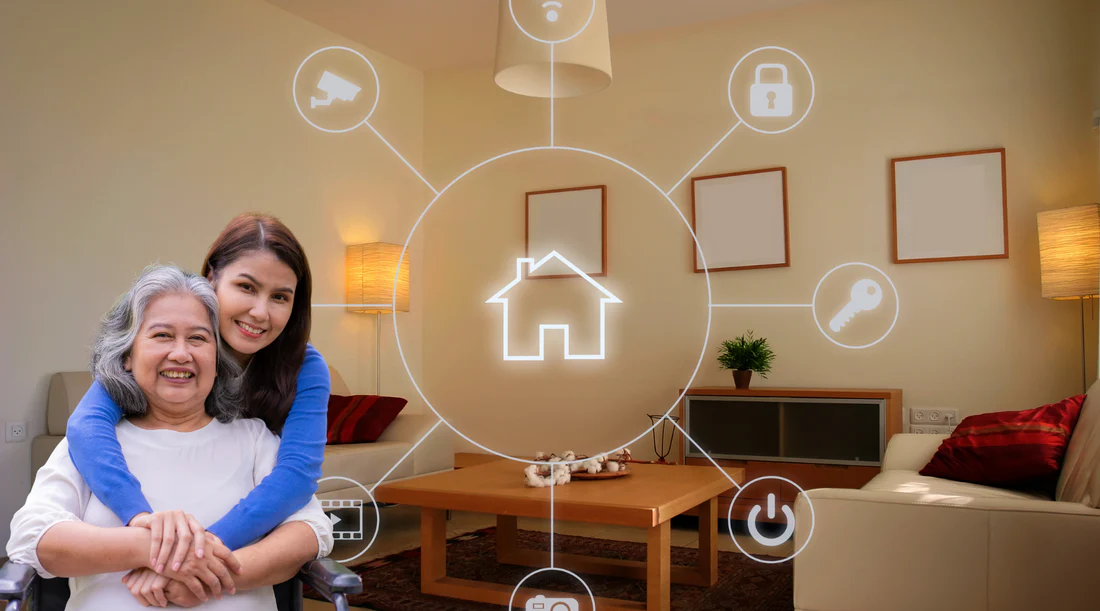

When safety conversations come up on quiet evenings, seniors and their families often want reassurance that help will arrive quickly if something goes wrong. Modern room sensor technology offers that peace of mind without turning homes into cold, clinical spaces.
Whether in a private residence or an assisted living community, discreet sensors can track motion patterns, temperature changes, and unusual inactivity to alert caregivers before small problems snowball into emergencies.
Smart Motion Means Smarter Care
Today’s passive infrared and radar-based motion sensors do more than notice movement. They learn seniors’ typical routines over time, such as the usual wake-up window or nightly bathroom trips, then flag meaningful deviations. If a senior remains motionless for an unusual stretch or wanders at odd hours, the system quietly notifies designated contacts.
Because alerts are context-aware, caregivers receive fewer false alarms and can focus on the moments that matter most for seniors. Pattern awareness turns raw data into timely support, making everyday living calmer and safer for seniors.
Detecting Environmental Risks Early
Sensors that monitor temperature, humidity, and air quality add another layer of protection for seniors. A sudden heat spike could indicate a stove left on; a temperature drop might suggest an open window in winter. Water-leak sensors placed near sinks, refrigerators, and washing machines catch small drips before they become slip hazards or mold issues.
Night-light sensors can brighten pathways when ambient light dips, reducing the chance of trips during late-night movement for seniors. These subtle, automatic adjustments work quietly in the background, keeping rooms safer without constant check-ins or intrusive beeps that might unsettle seniors.
Privacy First With Thoughtful Design
Good systems protect seniors’ dignity as much as their safety. Non-camera sensors preserve privacy by tracking patterns rather than images, while on-device processing analyzes data locally so fewer details leave the room. Granular controls let families choose who sees what, and audit trails document alerts without oversharing.
Seniors retain independence because sensors operate in the background, gently supporting daily life instead of interrupting it with constant prompts. The design goal is simple for seniors: visible when needed, invisible when not.
Seamless Setup and Ongoing Support
Implementation need not be complicated for seniors or caregivers. Most kits include adhesive-backed devices, long-life batteries, and simple apps for assigning contacts and alert rules. A brief walk-through identifies the best locations: near bedroom doors, bathroom thresholds, and high-traffic hallways that seniors frequent.
Over time, dashboards summarize trends like longer sleep, slower morning starts, or increased nighttime activity, helping care teams adjust routines and medication schedules with evidence rather than guesswork. Reliable support, clear instructions, and easy maintenance keep seniors protected day after day.
Conclusion
Modern room sensor technology proves that safer living for seniors can feel warm, respectful, and nearly invisible. By blending motion analysis, environmental monitoring, privacy controls, and supportive insights, these tools provide practical help without stripping away autonomy.
The right setup reduces falls, speeds response to health changes, and sparks better conversations among families and care teams. Most importantly, it gives seniors confidence to move through each day with a steadier footing and a calm sense of control.
Comments are closed.